Opening Amazon…
Mova P10 Pro Ultra Review: 140°F Kitchen Mop Based on Owner Feedback
· 10 min read
In this article
- At a glance
- What we liked
- 140°F hot-water mop wash that keeps pads from going sour
- 13,000 Pa suction on hardwood and low-pile carpet
- Obstacle avoidance that dodges cords and toys better than bump bots
- All-in-one dock that empties, washes, and dries
- Where it falls short
- Magnetic mop pads that detach on carpet and rugs
- No onboard bin-full sensor in heavy shed weeks
- Maintenance mopping, not dried-on kitchen disasters
- Water-line failures and quiet warranty support
- Real-world performance
- Greasy kitchen tile after weeknight cooking
- Pet mudroom floors after rainy walks
- Shedding days on hardwood and low-pile carpet
- Noise while someone works from home
- How it compares to alternatives
- Who should buy it
- FAQ
- Does the Mova P10 Pro Ultra pick up pet hair well?
- Is it quiet enough to run while I'm home?
- Can the mop handle dried-on food spills?
- Will it wet my carpets when mopping?
- How long does the battery last on a single charge?
- Is the all-in-one dock worth it versus a vacuum-only robot?
- Bottom line
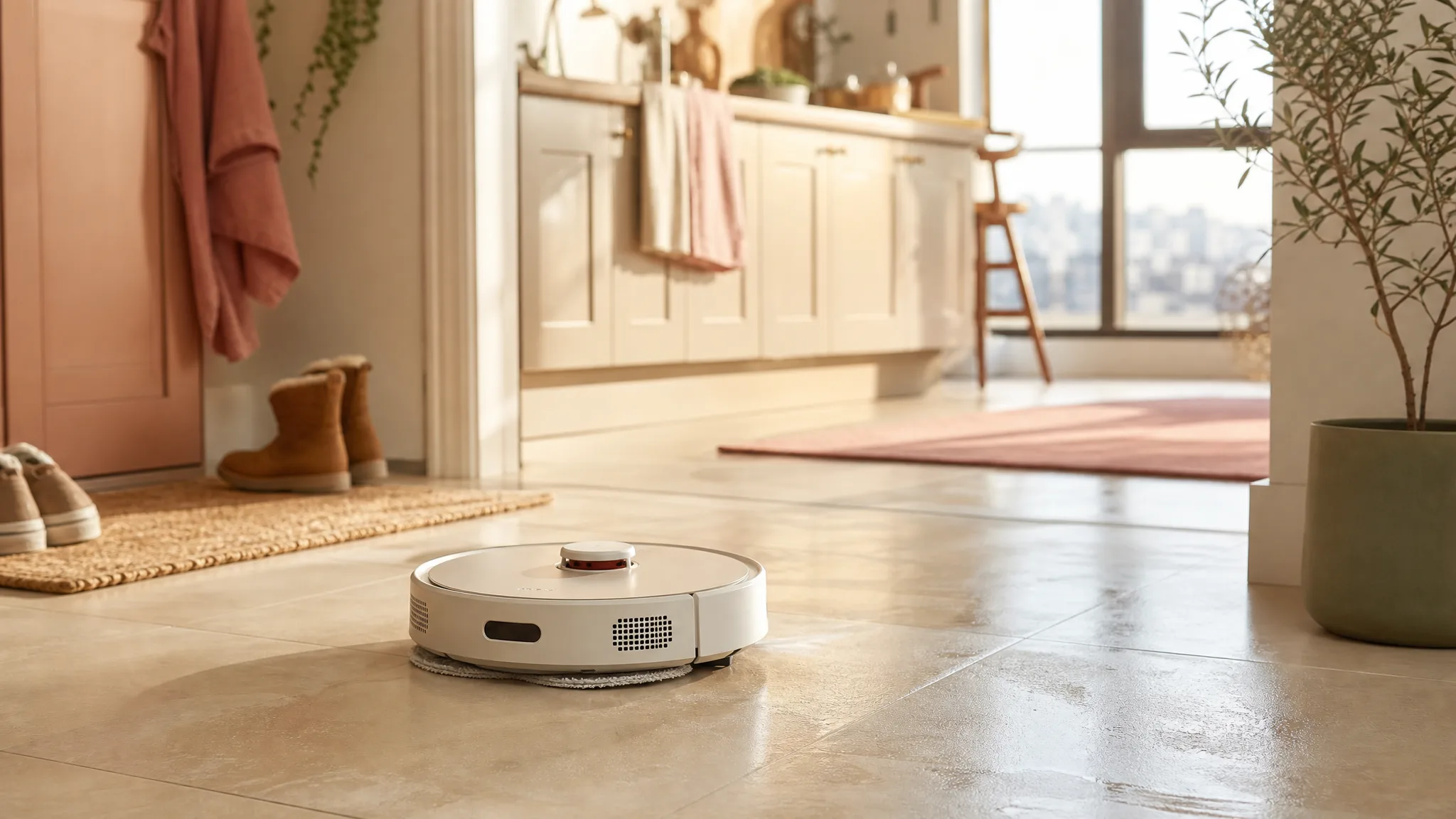
Greasy kitchen tile and a pet mudroom will expose a robot mop faster than any brochure. We compared the Mova P10 Pro Ultra as a daily vac-and-mop bot, leaning on its claimed 140°F hot-water mop wash for sticky kitchen film and paw tracks after rainy walks. As with every review here, we are not paid by manufacturers. Read more about how we review.
Verdict: Strong hard-floor suction and a full dock (auto-empty, hot mop wash, dry) for less than many premium twins. Magnetic mop pads that drop on rugs, a bin with no full sensor, and a documented water-line repair headache keep it from a higher score. 7.1/10.
Best for: Pet owners on a tighter budget who want LiDAR mapping plus dock automation on hard floors and low-pile carpet.
Skip if: Multi-year reliability and responsive warranty support matter more than feature count, or your floors are mostly thick rugs.

Mova
Mova P10 Pro Ultra
Best for
Pet owners on a budget who want dock automation and LiDAR mapping for hard floors and low carpet; less ideal if multi-year reliability and responsive warranty support matter more than feature count.
What buyers say
Daily runners with German shepherds and labs report suction handles hair on hardwood and low-pile carpet, and obstacle avoidance rarely gets stuck on cords or toys. The detachable mop pads fall off their magnetic mounts over rugs, the onboard bin has no full sensor so hair can clog mid-run unless you schedule dock returns every 30 minutes, and a documented case shows water line failures at six months with warranty support that sent the unit back damaged and then went silent.
Loved by buyers
- •13,000 Pa suction and LiDAR mapping handle hardwood, low-pile carpet, and heavy shedding daily
- •All-in-one dock washes mop pads in hot water, dries them, and auto-empties the dust bin
- •Obstacle avoidance dodges cords and pet toys better than older random-bump robots
Buyer concerns
- •Mop pads detach from magnetic mounts during vacuum runs over carpet and rugs
- •Onboard bin has no full sensor; hair clogs until you manually schedule mid-run dock returns
- •Mop mode maintains floors well but struggles with dried-on kitchen spills and grime
At a glance
| Spec | Detail |
|---|---|
| Model | Mova P10 Pro Ultra |
| Type | Robot vacuum and mop with all-in-one dock |
| Max suction | |
| Mopping | Dual spinning extendable mop; 140°F hot-water mop washing and drying (manufacturer claim) |
| Mop lift | 10.5 mm lift for carpet (manufacturer claim) |
| Navigation | LiDAR mapping; 360° obstacle avoidance; app control |
| Dock | Auto-empty, hot-water mop wash, mop drying |
| Runtime | Owners report large single-floor plans on one charge; two-level homes possible with a top-off |
| Ongoing upkeep | Schedule mid-run dock returns in heavy shed weeks; reseat magnetic mop pads; watch water lines |
What we liked
140°F hot-water mop wash that keeps pads from going sour
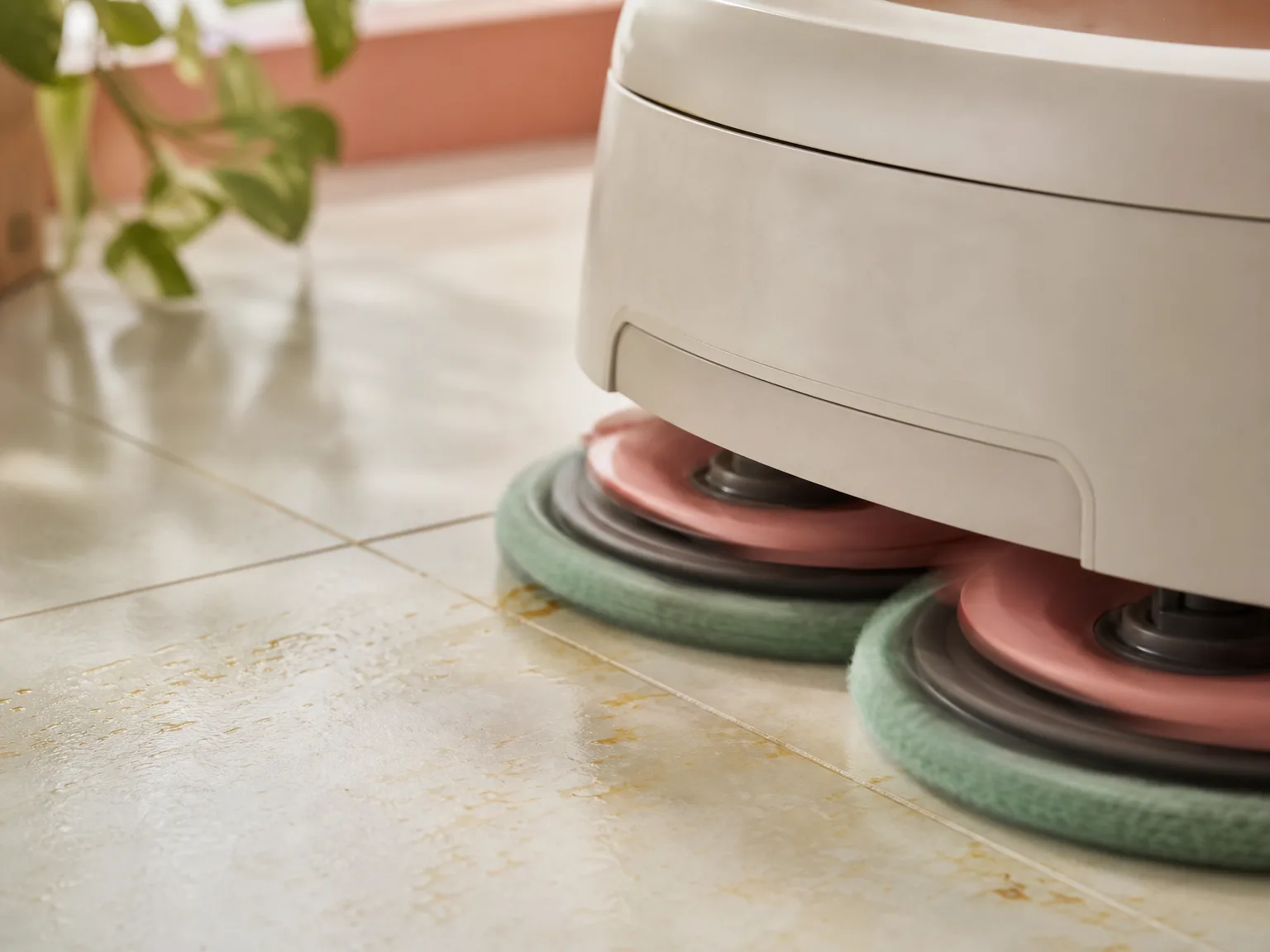
This is the review angle for a reason. After greasy kitchen nights and muddy paw prints by the back door, cold-water docks leave pads smelling like a damp sponge by midweek. The P10 Pro Ultra's dock washes mop pads in water Mova rates at 140°F, then dries them. In daily use that shows up as pads that stay usable for maintenance mopping without a constant hand-rinse ritual. It will not replace a weekend scrub on dried sauce. For everyday kitchen film and mudroom tracks, hot-water washing is the practical win over cheaper drag-cloth bots.
13,000 Pa suction on hardwood and low-pile carpet
Obstacle avoidance that dodges cords and toys better than bump bots
360° obstacle avoidance and LiDAR mapping keep the bot from acting like an older random-bump machine. Cords and pet toys get skipped more often than on entry WiFi robots. You still clear the floor before a run if the living room is a charger farm. The difference is fewer rescue walks for toys left under a coffee table. No-go zones in the app help around known traps once maps settle.
All-in-one dock that empties, washes, and dries
Auto-empty plus mop wash and dry is the feature bundle that usually costs more. Under a self-emptying workflow, dust handling stretches across days or weeks depending on shed load. You are not dumping a tiny onboard bin after every job. That is the hands-off pitch done right when the dock behaves. Pair it with LiDAR room cleaning and the weekday routine shrinks to "open a path and let the schedule run."
Where it falls short
Magnetic mop pads that detach on carpet and rugs
Mop pads sit on magnetic mounts. On rugs and thicker carpet they can pop off mid-run. When that happens you may find a damp pad on the floor, or worse, a wet spot on carpet you meant to keep dry. The 10.5 mm mop lift helps in theory, and setting carpet zones to vacuum-only in the app is smart insurance. Treat magnetic pads as a known weak point if half your home is rugs. Check the mounts after the first few mixed-floor runs.
No onboard bin-full sensor in heavy shed weeks
The robot has no full sensor on the onboard bin. In heavy shedding, hair can clog mid-run until you force a dock return. Owners who schedule empties about every 30 minutes during peak shed weeks avoid most clogs. That is a workaround, not a polished design. If you expected set-and-forget during German-shepherd blowout season, plan on babysitting the schedule.
Maintenance mopping, not dried-on kitchen disasters
Hot-water washing keeps pads fresher. It does not turn the robot into a floor scrubber for crusted spills. Dried food and sticky grime still need a hand cloth. Frequent mopping maintains clean tile. It will not erase last night's pasta sauce that sat until morning. Set expectations for weekday maintenance, then keep a mop bucket for the messes robots skip.
Water-line failures and quiet warranty support
A documented case shows water-line failures around six months, with warranty support that returned a damaged unit and then went silent. That is a red flag if you buy expecting multi-year peace of mind. Feature count looks premium. Service experience may not. If responsive warranty support sits above dock automation on your checklist, weigh a brand with a longer local repair story before you commit.
Real-world performance

Greasy kitchen tile after weeknight cooking
We treated the kitchen like a busy household: vacuum daily, mop a few evenings a week after cooking. Dual spinning extendable pads scrubbed light oil film and crumb trails along cabinet toe kicks better than limp drag cloths. After dock washes rated at 140°F, pads came back less sour than cold-water stations we have lived with. A dried sauce ring still needed a hand wipe. For greasy tile maintenance, the hot-water loop is why this angle beats a vacuum-only bot.
Pet mudroom floors after rainy walks
Mudroom hard floors collect paw prints fast. On those runs the P10 Pro Ultra cleared loose grit and damp tracks before they hardened into gray film. Obstacle avoidance helped around boots and leash piles when we remembered to nudge them aside. If muddy dogs cross a rug first, set that zone to vacuum-only so a loose mop pad cannot soak the fibers. Hard-floor mudrooms are this robot's comfort zone.
Shedding days on hardwood and low-pile carpet
Noise while someone works from home
Normal and mopping modes stay quieter than older bump-style robots and many uprights, so daytime schedules work if someone is on calls in another room. Max suction gets loud enough that owners compare it to a traditional vacuum. The self-empty dump is short but sharp. Schedule empties for late morning, not midnight naps. Turbo mode is a "leave the room" setting, not a background soundtrack.
How it compares to alternatives
The Roborock Qrevo Curv sits higher on mopping polish and rug transitions, with AdaptiLift chassis lift and a zero-tangling brushroll pet owners praise after months. You pay more for that package. If thick rugs and multi-year brand confidence matter as much as hot mop care, start there.
The eufy L60 is the leaner self-empty contrast: LiDAR and a dust station without the full hot-water mop dock. It can struggle with long hair wrap and map resets. If you only need vacuuming plus auto-empty on hard floors, it is the cheaper honest path.
The Shark AV753 ION skips the tower entirely. You get WiFi scheduling and Tri-Brush pickup, then empty a small bin yourself. If you refuse dock footprint and mop automation, get the Shark instead. If you want hot-water mop washing plus auto-empty on a tighter budget, get the P10 Pro Ultra.
Who should buy it
Ideal buyer: a US household with dogs or cats, mostly hard floors and low-pile carpet, shopping below the usual premium robot tier and willing to live in the app. You want dock automation and 140°F mop washing for kitchen and mudroom maintenance.
Look elsewhere if thick rugs dominate, you need proven multi-year warranty calm, or you refuse to schedule mid-run empties in shed season. Also skip if dried-on kitchen disasters are your main pain. Pair any robot with a real mop for those jobs.
At this tier you are buying feature density: LiDAR, extending mop, hot-water dock wash, auto-empty. The trade-offs are known: magnetic pads that can drop, no bin-full sensor, and at least one harsh warranty story. Check the live listing through the product card above when you are ready to compare current bundles.
FAQ
Does the Mova P10 Pro Ultra pick up pet hair well?
Yes for loose pet hair on hardwood and low-pile carpet in daily runs. Fur deeply packed into thicker carpet, especially from long-haired cats, may still need an upright or stick. Schedule mid-run dock returns in heavy shed weeks so the onboard bin does not clog.
Is it quiet enough to run while I'm home?
Normal and mopping modes are quieter than many older robots. Maximum suction gets very loud, closer to a traditional vacuum. The self-empty cycle is brief but sharp, so schedule dumps for daytime if anyone naps nearby.
Can the mop handle dried-on food spills?
No. It maintains floors with frequent mopping and helps with everyday greasy film. Dried-on kitchen spills still need manual scrubbing. Think maintenance mopping, not deep floor restoration.
Will it wet my carpets when mopping?
Mops lift a claimed 10.5 mm to reduce wet carpet contact, and you can set carpeted rooms to vacuum-only in the app. Magnetic pads can still detach on thick rugs, so vacuum-only zones are the safer setup for carpet-heavy homes.
How long does the battery last on a single charge?
Owners report enough runtime for large single-floor plans on lighter modes, and some two-level homes with a recharge top-off. Exact time depends on suction level and how dense the cleaning path is. Max suction shortens the window.
Is the all-in-one dock worth it versus a vacuum-only robot?
If greasy tile and mudroom hard floors are your daily mess, hot-water mop washing plus auto-empty saves real chore time. If you only need fur pickup and hate mop maintenance, a simpler self-empty vacuum may fit better.
Bottom line
The Mova P10 Pro Ultra is the right pick when 140°F hot-water mopping on kitchen tile and mudroom floors matters more than a premium badge. It packs LiDAR, extending dual mops, auto-empty, and dock drying into a package that undercuts many twins on feature count. Buy it if your floors are mostly hard surfaces, you will manage shed-season empties, and you accept magnetic-pad quirks. If thick rugs or rock-solid warranty calm come first, look at the Qrevo Curv or a simpler Shark instead. Compare current kit details on the product card when you are ready.
In this article
- At a glance
- What we liked
- 140°F hot-water mop wash that keeps pads from going sour
- 13,000 Pa suction on hardwood and low-pile carpet
- Obstacle avoidance that dodges cords and toys better than bump bots
- All-in-one dock that empties, washes, and dries
- Where it falls short
- Magnetic mop pads that detach on carpet and rugs
- No onboard bin-full sensor in heavy shed weeks
- Maintenance mopping, not dried-on kitchen disasters
- Water-line failures and quiet warranty support
- Real-world performance
- Greasy kitchen tile after weeknight cooking
- Pet mudroom floors after rainy walks
- Shedding days on hardwood and low-pile carpet
- Noise while someone works from home
- How it compares to alternatives
- Who should buy it
- FAQ
- Does the Mova P10 Pro Ultra pick up pet hair well?
- Is it quiet enough to run while I'm home?
- Can the mop handle dried-on food spills?
- Will it wet my carpets when mopping?
- How long does the battery last on a single charge?
- Is the all-in-one dock worth it versus a vacuum-only robot?
- Bottom line