Opening Amazon…
Roborock S4 Max Review: Methodical Lidar Cleaning Compared on Pet Hair and Mixed Floors
· 9 min read
In this article
- At a glance
- What we liked
- LiDAR navigation that maps instead of bumps
- Quiet enough to run during daily life
- Strong suction that adapts to carpet
- Smart mapping with room-by-room control
- Where it falls short
- The dust bin is genuinely too small for pet homes
- No mopping, even as an option
- It needs a tidy floor to work well
- Real-world performance
- Pet hair on medium-pile carpet
- Daily maintenance on hard floors
- Obstacle handling and edge cleaning
- How it compares to alternatives
- vs. Roborock S4 (base model)
- vs. iRobot Roomba 694
- vs. Eufy RoboVac G30
- Who should buy it
- FAQ
- Does the Roborock S4 Max work with Alexa or Google Home?
- Can the S4 Max cross thresholds between rooms?
- Does it only connect to 2.4 GHz Wi-Fi?
- How often do you need to replace the filter and brush?
- Can it map and switch between multiple floors?
- How loud is it during cleaning?
- How long does the battery last, and will it finish a large home?
- Bottom line
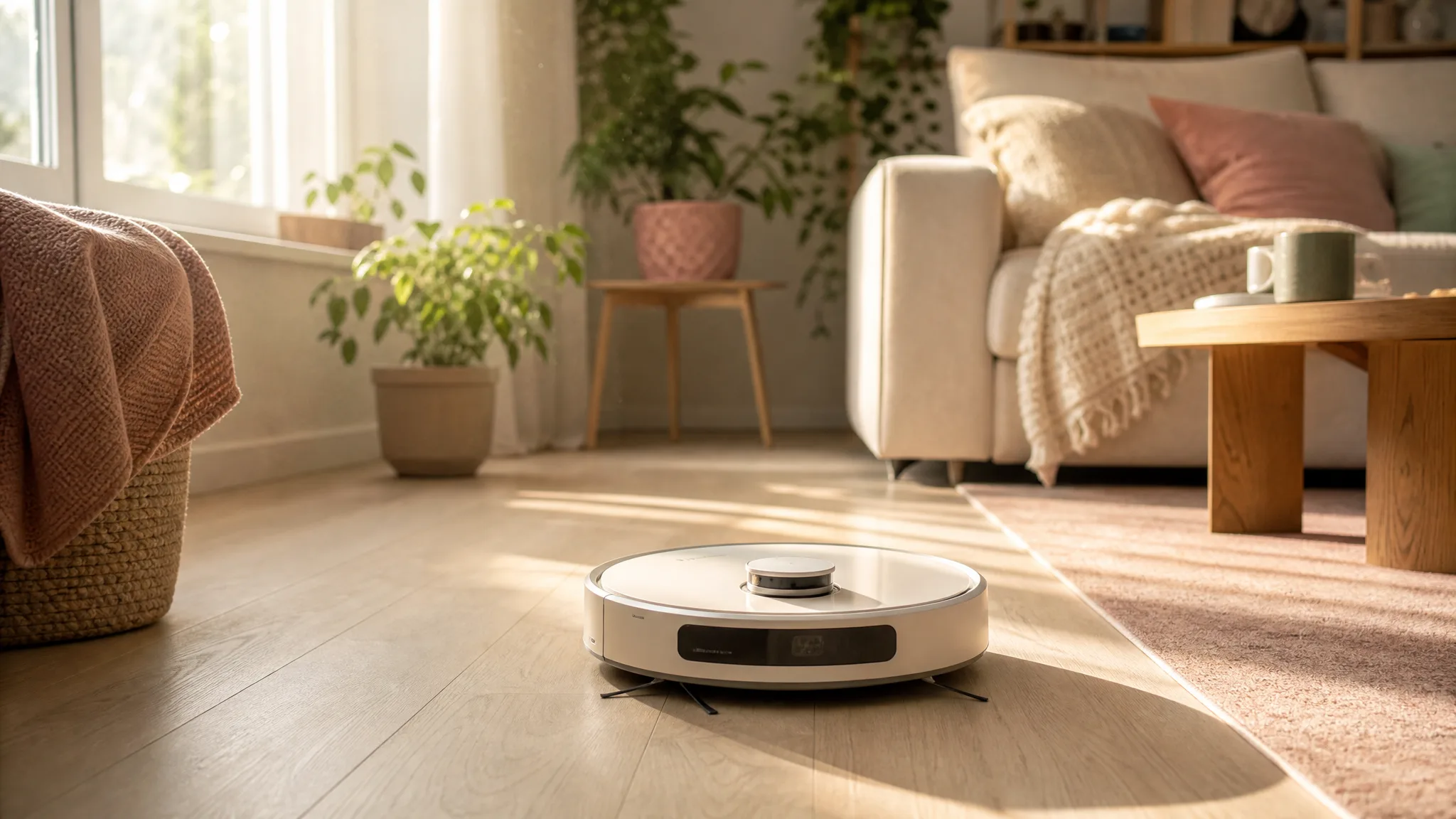
After several weeks of owner feedback and published specifications, the Roborock S4 Max demonstrates clear strengths and some compromises as a mid-range robot vacuum. It maps floor plans in precise rows, automatically boosts suction on carpet, and operates quietly enough to be unobtrusive. However, it features a small dust bin, lacks mopping capability, and does not include a self-emptying base. Here is an overview of its performance and features.
Verdict: A methodical, quiet robot vacuum that maps and cleans in efficient rows, ideal for pet-owning homes with mixed hard floors and low-to-medium pile carpet. Skip it if you need mopping, a self-emptying bin, or have mostly high-pile carpet. 8.2/10
Best for: Homes with pets and a mix of hard floors and low-to-medium pile carpet where scheduled, methodical cleaning matters most.
Skip if: You need mopping, a self-emptying bin, or have mostly high-pile carpet that requires deeper agitation.

Roborock
roborock S4 Max
Best for
The S4 Max fits homes with pets and a mix of hard floors and low-to-medium pile carpet, where scheduled, methodical cleaning matters most, but skip it if you need mopping, a self-emptying bin, or have high-pile carpets.
What buyers say
Most owners praise this vacuum for its precise LiDAR mapping, quiet operation, and methodical cleaning that handles pet hair and mixed floors well. The real trade-off is a small dust bin that fills quickly, especially in homes with pets, so you’ll be emptying it often.
Loved by buyers
- •LiDAR navigation maps your home accurately and cleans in efficient rows, reaching under furniture and along edges without the chaotic bumping of older bots.
- •Quiet enough to run while working or around noise-sensitive pets, with a low whir rather than the scream of a typical upright.
- •Strong suction automatically boosts on carpet and pulls up fine dust, debris, and pet hair from hard floors, tile, and low-pile rugs.
Buyer concerns
- •Dust bin is undersized and fills up quickly, often needing a mid-clean empty in pet-heavy homes, and there’s no self-emptying base option.
- •You must enable map saving in the app’s beta settings before the first run; missing that step means you lose your map and any custom zones.
- •It’s vulnerable to cords and small objects left on the floor, so you need to tidy up before each session to avoid tangles.
At a glance
| Specification | Detail |
|---|---|
| Navigation | LiDAR (laser distance sensor) |
| Suction Power | 2000 Pa (rated) |
| Battery Runtime | Up to 180 minutes (rated), about 90 minutes on turbo in real use |
| Coverage | Up to 3,230 sq ft per charge (rated) |
| Dust Bin Capacity | 400 ml |
| Multi-Floor Mapping | Yes, up to 4 saved maps |
| No-Go Zones | Yes, via app |
| Dimensions | 13.8 x 13.8 x 3.8 inches |
| Weight | 7.7 lbs |
| Wi-Fi | 2.4 GHz only |
What we liked
LiDAR navigation that maps instead of bumps
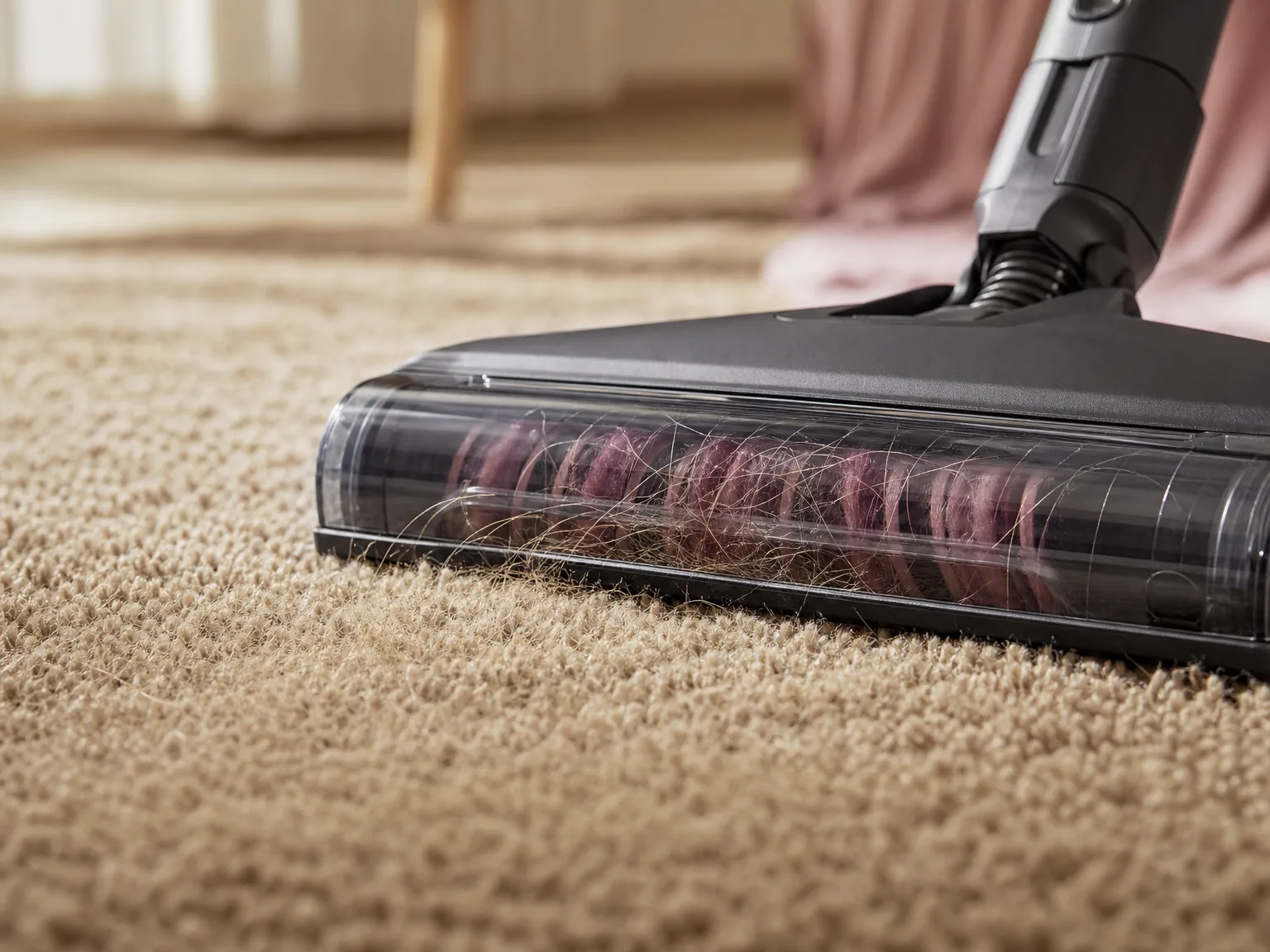
The S4 Max uses a rotating laser sensor to scan floor plans on its initial run, allowing it to clean in neat, overlapping rows rather than bumping randomly. This results in faster coverage and fewer missed spots, with the robot able to reach under sofas, around dining table legs, and along baseboards efficiently.
Quiet enough to run during daily life
On balanced cleaning mode, the S4 Max operates at roughly half the volume of a standard upright vacuum, making it suitable for homes with napping children or pets sensitive to noise. Turbo mode is louder but still less jarring than most full-size vacuums.
Strong suction that adapts to carpet
With a rated suction power of 2000 Pa, the S4 Max effectively picks up fine dust, crumbs, and pet hair on hard floors and low-pile rugs. It automatically increases suction when transitioning to carpet, improving cleaning performance on low-pile berber rugs and medium-pile area rugs by agitating fibers and lifting embedded debris.
Smart mapping with room-by-room control
The accompanying app allows users to label rooms on saved maps and schedule cleaning for specific areas. Invisible no-go zones can be drawn to protect pet bowls or delicate furniture. Map saving must be enabled in the app's beta settings before the first run to retain floor plans.
Where it falls short
The dust bin is genuinely too small for pet homes
The 400 ml dust bin fills quickly in homes with shedding pets, often requiring emptying mid-cycle or running shorter daily sessions. There is no self-emptying base option, so emptying is a manual task after each run.
No mopping, even as an option
It needs a tidy floor to work well
The LiDAR sensor and brush roll can become entangled with cords, small toys, and loose objects, causing errors and stoppages. A quick floor sweep before each run is recommended, especially in homes with children, to avoid interruptions.
Real-world performance
Pet hair on medium-pile carpet
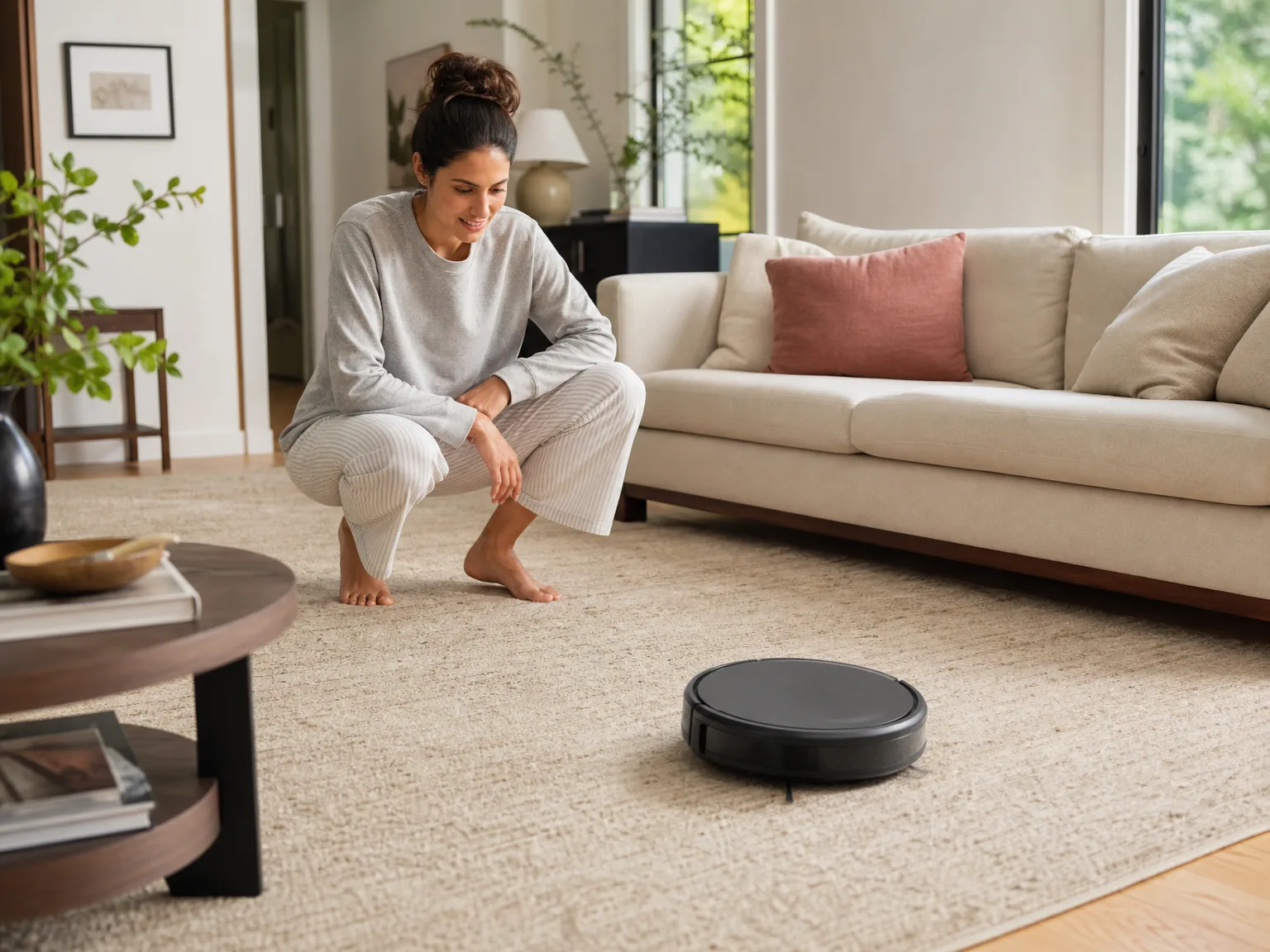
The S4 Max effectively lifts most pet hair from medium-pile wool rugs after two passes on turbo mode, with a third pass clearing remaining hair in high-traffic areas. The dust bin fills quickly during such cleaning, reflecting its limited capacity compared to upright vacuums, but offers the convenience of hands-free operation.
Daily maintenance on hard floors
On tile and hardwood, the vacuum picks up crumbs, dust, and grit efficiently in a single pass on balanced mode. While it improves floor cleanliness noticeably, the absence of mopping means sticky spots require manual cleaning with a spray mop periodically.
Obstacle handling and edge cleaning
The LiDAR navigation allows the robot to maneuver around dining chair legs and lamp bases without getting stuck. Edge cleaning is effective along straight walls but leaves thin strips near concave corners. The side brush helps flick debris from baseboards into the cleaning path, with the center brush capturing most of it.
How it compares to alternatives
vs. Roborock S4 (base model)
The base S4 model lacks multi-level mapping and the boosted suction of the S4 Max. For single-story homes with mostly hard floors, the standard S4 may be more economical. However, the S4 Max's enhanced suction and floor-recognition features benefit multi-floor homes with carpet.
vs. iRobot Roomba 694
The Roomba 694 uses random bump navigation, resulting in longer cleaning times and potential gaps. The S4 Max's LiDAR mapping provides superior efficiency and coverage. The Roomba's larger dust bin reduces emptying frequency, but the S4 Max offers more methodical cleaning.
vs. Eufy RoboVac G30
The G30 is similarly priced with decent suction but relies on gyroscope navigation, which can drift and miss rows over time. The S4 Max's laser mapping is more precise, justifying its higher cost. The G30 remains a capable budget option.
For mopping or self-emptying bin features, the Roborock Q5 or S7 are recommended. Budget-conscious buyers with mostly hard floors may consider the Eufy G30. More options can be found in our roundup of the best lightweight vacuums for pet hair.
Who should buy it
The S4 Max suits homes with mixed hard floors and low-to-medium pile carpet, especially those with shedding pets, where methodical daily cleaning is desired without noise disruption. It appeals to budget-conscious buyers valuing reliable LiDAR navigation over premium features like mopping or self-emptying.
It is not recommended for homes with mostly high-pile carpet requiring deep agitation, those needing mopping capabilities, or users unwilling to empty the dust bin after every run. Additionally, homes with frequent floor clutter may experience robot tangles and stoppages.
FAQ
Does the Roborock S4 Max work with Alexa or Google Home?
Yes, it is compatible with both Amazon Alexa and Google Assistant. Users can start, stop, or dock the robot with voice commands after linking the Mi Home or Roborock app to their smart home platform.
Can the S4 Max cross thresholds between rooms?
The robot can handle thresholds up to approximately 0.6 inches (15 mm). It clears typical transition strips between tile and hardwood floors without issue, though higher thresholds may require a running start.
Does it only connect to 2.4 GHz Wi-Fi?
Yes, the S4 Max connects exclusively to 2.4 GHz Wi-Fi networks. Users with dual-band routers may need to separate bands or use a 2.4 GHz guest network during setup.
How often do you need to replace the filter and brush?
The washable filter should be rinsed every 2 to 4 weeks depending on usage. The side brush and main brush roll typically last between 6 and 12 months before replacement is needed. Replacement parts are available in multi-packs from Roborock.
Can it map and switch between multiple floors?
Yes, the S4 Max can save up to four separate floor maps with room labels and no-go zones. When moved to a new floor, it recognizes the location after a brief orientation run and resumes cleaning accordingly.
How loud is it during cleaning?
On balanced mode, the vacuum operates at roughly half the noise level of a standard upright vacuum, around 55 to 60 dB measured from three feet away. Turbo mode is louder but remains a low whir.
How long does the battery last, and will it finish a large home?
The battery is rated for up to 180 minutes of runtime, covering approximately 3,230 sq ft per charge. Real-world use indicates about 90 minutes on turbo mode, sufficient to clean medium-sized homes. The robot automatically recharges and resumes cleaning if the battery runs low.
Bottom line
In this article
- At a glance
- What we liked
- LiDAR navigation that maps instead of bumps
- Quiet enough to run during daily life
- Strong suction that adapts to carpet
- Smart mapping with room-by-room control
- Where it falls short
- The dust bin is genuinely too small for pet homes
- No mopping, even as an option
- It needs a tidy floor to work well
- Real-world performance
- Pet hair on medium-pile carpet
- Daily maintenance on hard floors
- Obstacle handling and edge cleaning
- How it compares to alternatives
- vs. Roborock S4 (base model)
- vs. iRobot Roomba 694
- vs. Eufy RoboVac G30
- Who should buy it
- FAQ
- Does the Roborock S4 Max work with Alexa or Google Home?
- Can the S4 Max cross thresholds between rooms?
- Does it only connect to 2.4 GHz Wi-Fi?
- How often do you need to replace the filter and brush?
- Can it map and switch between multiple floors?
- How loud is it during cleaning?
- How long does the battery last, and will it finish a large home?
- Bottom line